



Writing a life remembered
Learn how to write an obituary from confirmed facts, compare short examples, and adapt the wording for a standalone announcement or a funeral program.


Start with confirmed facts, add a few specific memories, name family members as they wish to be listed, and close with a remembrance. For a standalone obituary, add any public service or donation details the family wants to share. In a funeral program, those details can stay on the cover or service page, leaving the life story focused on the person.
These steps work for a standalone obituary and a life story printed in a funeral program. The examples below focus on the printed life story; add the announcement details when publishing it on its own.
Include the family-approved name, dates, life details, and family relationships. If the service is public, add its date, time, and location, plus any donation or flower instructions the family wants to share. Confirm those details before publication and check the publisher’s length requirements.
Keep the life story focused on memories and relationships. When the cover or service page already gives the time, venue, and other practical details, you can leave them out here. Use the program content checklist to decide where each detail belongs.
Write the name and dates exactly as the family wants them printed. Leave uncertain details out until they can be confirmed.
Eleanor Margaret Hayes · March 4, 1941 – June 10, 2026
Pick work, service, interests, or places that help readers recognize the person. Specific memories give the draft its own voice.
She kept a small shelf of spare books for children who finished their work early.
Ask the family which names and relationships to include. A broad description is fine when a full list is not appropriate.
Eleanor is survived by her three children and her grandchildren, including Daniel and Rose Collins.
If the cover or service page already has the time and venue, you can leave them out of the life story. A standalone announcement may need them.
A service will be held June 18, 2026, at 11:00 AM at Willow Community Hall.
Finish with a detail or thought the family would be comfortable sharing. Read the draft aloud and check every name before printing.
Her family will remember her through the recipes, books, and ordinary routines they continue to share.
This is a fictional teaching example, not a customer obituary. All three versions below use the same family and memories.
Start with where Eleanor grew up and her teaching. Connect that work to a small memory of her classroom. Move into home life, then close with family and remembrance.
The service date and venue stay on the service page. The story does not add an unconfirmed cause of death, birthplace, spouse, or award.
Use your own notes in the obituary writer ↗Choose a starting point, not a word-count target. These are writing examples; the space available depends on your template, photos, headings, and font size.
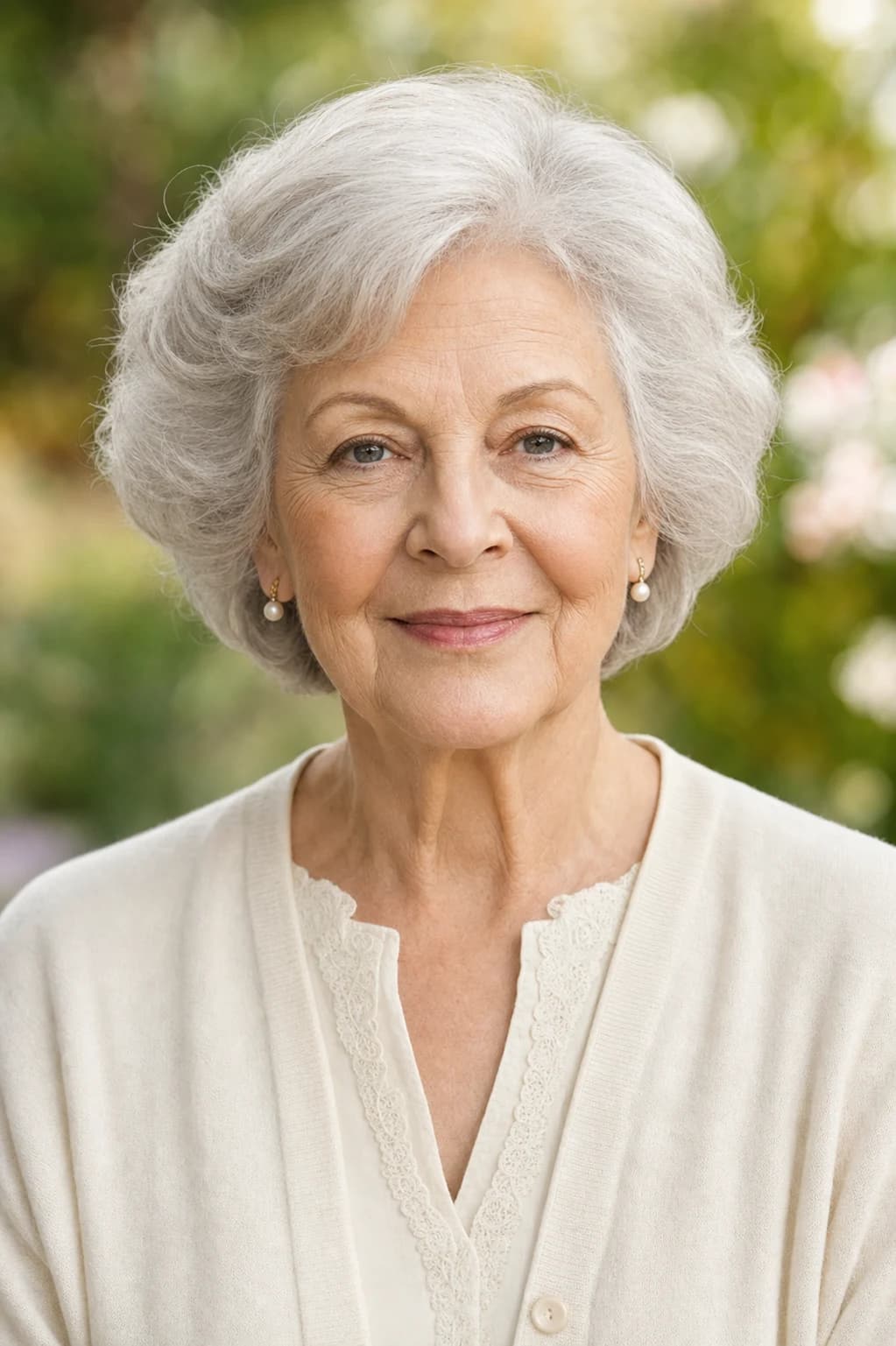
Eleanor Margaret Hayes grew up in Springfield and taught at Oak Street Elementary School for more than thirty years. At home, she grew tomatoes, made quilts, and brought her family together for Sunday lunches. Her children, Mary, James, and Claire, remember her patient company and the ordinary routines that made home feel welcoming. Eleanor is survived by her three children and her grandchildren, including Daniel and Rose Collins. Her family will carry her memory forward through the recipes, books, and stories they continue to share.
Keeps the main life details and family names. Start here if you want a brief printed remembrance.
Eleanor Margaret Hayes grew up in Springfield and spent more than thirty years teaching at Oak Street Elementary School. She kept a small shelf of spare books for children who finished their work early, and former students often stopped to talk with her at the grocery store. At home, Eleanor grew tomatoes beside the back steps and saved seed packets in an old cookie tin. She mended Halloween costumes, made quilts from leftover fabric, and wrote birthdays on the kitchen calendar. Her children, Mary, James, and Claire, remember Sunday lunches when everyone helped set the table and washed dishes together afterward. In retirement she visited the library each Thursday and took a neighbor along when the weather was poor. Eleanor is survived by her three children and her grandchildren, including Daniel and Rose Collins. Her family will remember her through the recipes, books, and ordinary routines they continue to share.
Adds the classroom, garden, and family routines. This is the version shown in the program preview below.
Eleanor Margaret Hayes grew up in Springfield and spent more than thirty years teaching at Oak Street Elementary School. She kept a small shelf of spare books for children who finished their work early, and former students often stopped to talk with her at the grocery store. At home, Eleanor grew tomatoes beside the back steps and saved seed packets in an old cookie tin. She mended Halloween costumes, made quilts from leftover fabric, and wrote birthdays on the kitchen calendar. Her children, Mary, James, and Claire, remember Sunday lunches when everyone helped set the table and washed dishes together afterward. In retirement she visited the library each Thursday and took a neighbor along when the weather was poor. Eleanor is survived by her three children and her grandchildren, including Daniel and Rose Collins. Her family will remember her through the recipes, books, and ordinary routines they continue to share. Mary remembers how her mother’s kitchen calendar kept track of birthdays and family lunches. James thinks of the tomato plants by the back steps, while Claire remembers the quilts pieced together from fabric that might otherwise have been thrown away. These small, familiar details are the memories they want to share at the service. Eleanor’s children also remember talking around the kitchen table while the coffee was brewing. Sunday lunch was a shared effort, from setting the table to washing the dishes afterward. When the family gathers again, they plan to make her apple cake and tell the stories that belong to those afternoons. The family thanks everyone who has offered kindness, shared a memory, or made time to be with them. Their presence is a comfort as the family remembers Eleanor together.
Adds named family recollections. Review the full text in your design; extra pages may be useful.
Looking for a different relationship or tone? Browse the obituary examples. For a spoken tribute, use the eulogy writing guide.
“Eleanor was a kind person who cared about everyone. She was always kind and caring. She kept spare books for children who finished their work early.”
“Eleanor kept spare books for children who finished their work early.”


The life story shares space with its heading and photographs. Review the actual proof, not just the word count.
The editor opens a fresh project. Copy and paste your own approved wording; the fictional story is not added to your project.
There is no fixed length. Start with the facts and memories the family wants to include, then review the wording in the chosen design. The short, medium, and longer examples on this page are writing options, not guaranteed template capacities.
No. Include it only if the family wants it shared and has approved the wording. Do not infer a cause of death or add an unconfirmed detail.
Use the names and order approved by the family. When space or relationships make a full list difficult, use broader wording such as her children, grandchildren, family, and friends.
Yes. The obituary writer can help organize details you supply into an editable draft. Review every fact, name, and relationship; do not treat generated wording as a source of new biographical facts.
An obituary is a written account of a person’s life. A eulogy is a tribute spoken during the service and can include longer stories. You can adapt a short part of a eulogy for the printed program without reproducing the entire speech.
When you’re ready
Choose a design, add the details, and review the complete proof. Preview first; purchase the print-ready PDF when it is ready.